If you want a thicker, greener lawn next spring, the work actually starts in late summer.
Many homeowners wait until spring to fix thin or patchy grass, but in Northeast Ohio, late August through September is the best time to aerate and overseed your lawn. Cooler temperatures, warmer soil, and more consistent rainfall create the perfect conditions for new grass to grow.
If your lawn struggled through the summer heat, now is the ideal time to help it recover.
Why Aeration Matters
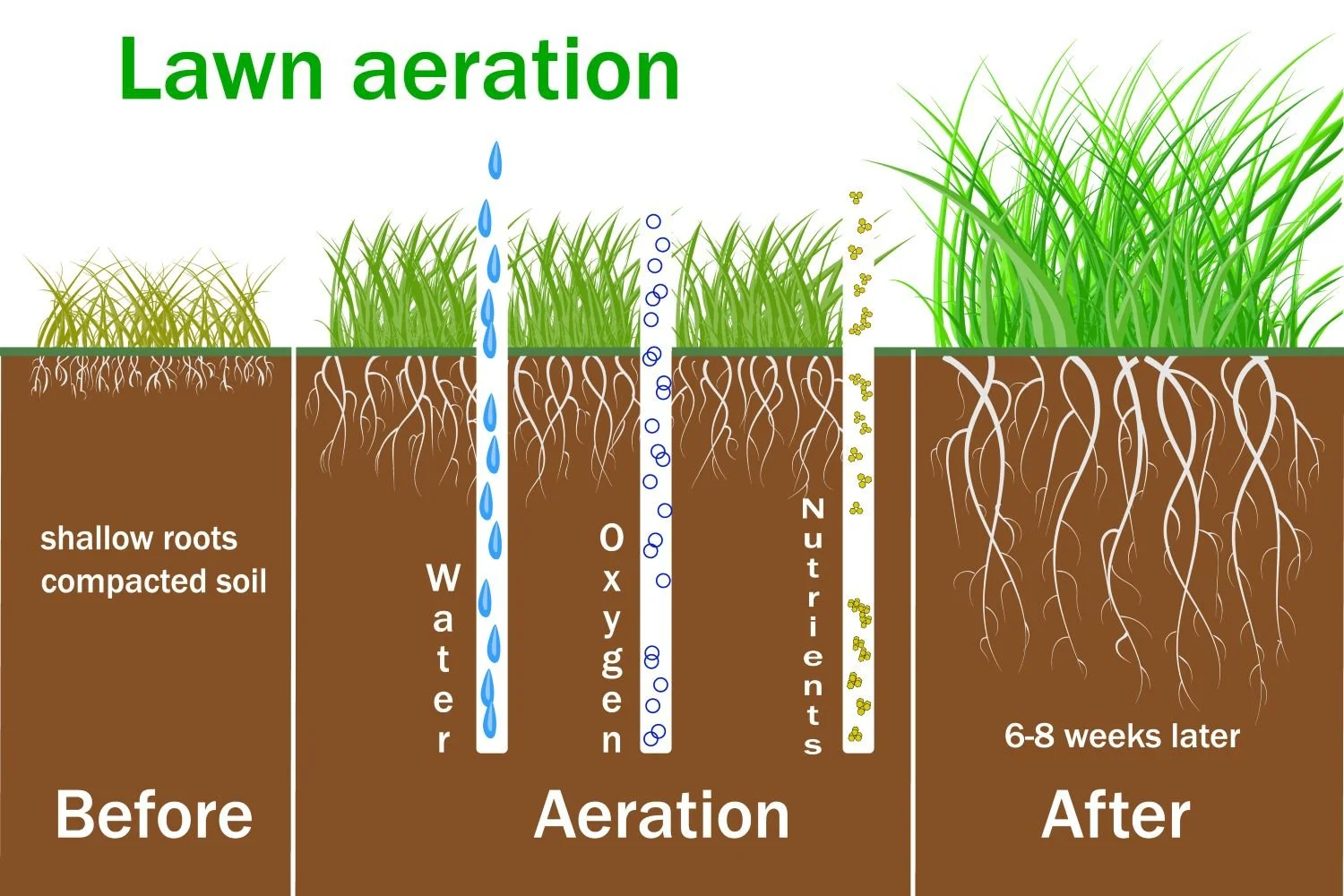
Over time, your lawn's soil becomes compacted from foot traffic, mowing, pets, and our heavy Northeast Ohio clay soil. When that happens, water, oxygen, and nutrients have a harder time reaching the roots.
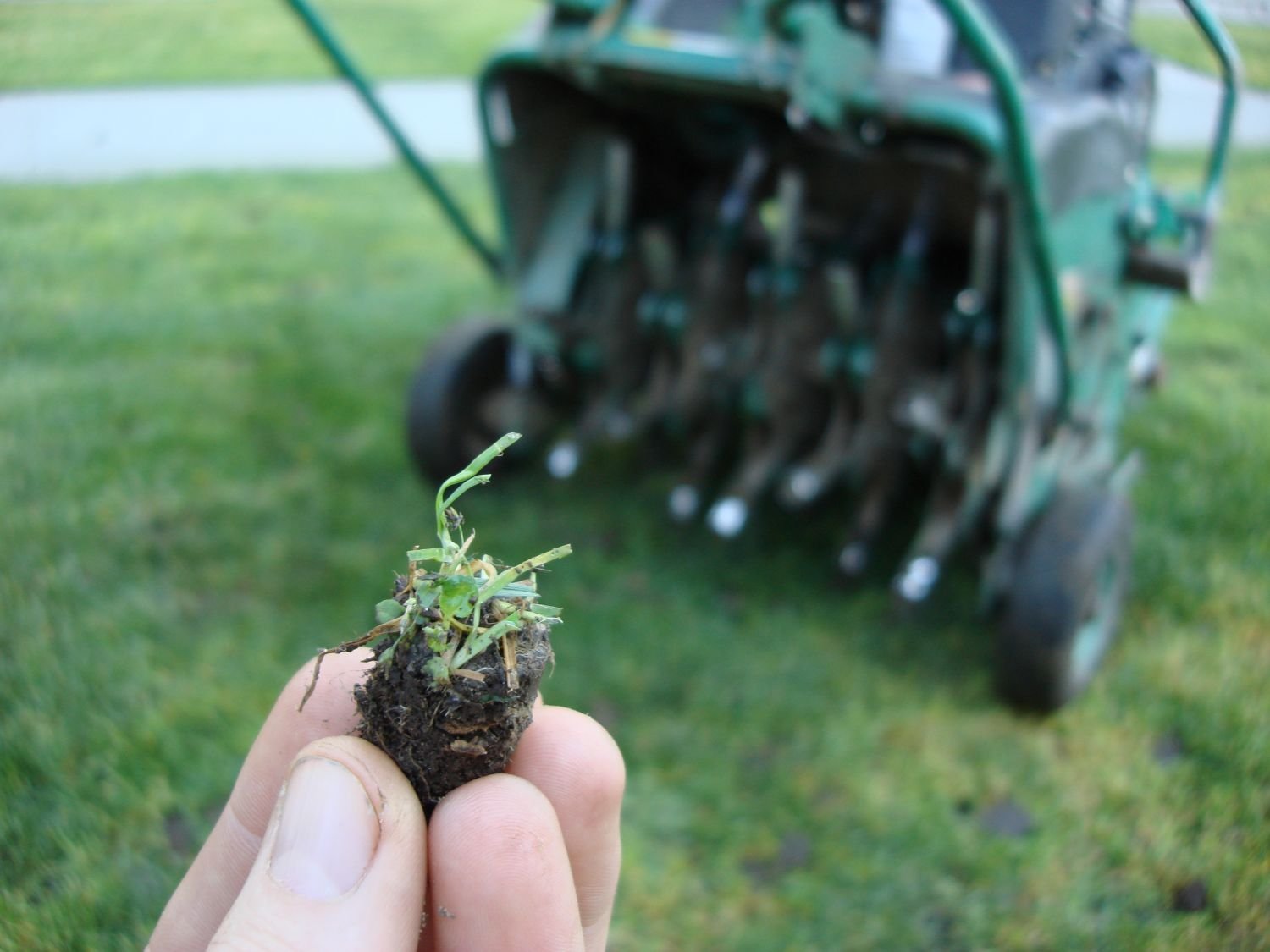
Core aeration removes small plugs of soil, allowing your lawn to breathe again. It helps:
Improve root growth
Reduce soil compaction
Increase water absorption
Improve fertilizer effectiveness
Create healthier, thicker grass
Many homeowners are surprised by how much of a difference aeration alone can make.
Why Overseeding Is the Perfect Partner
Aeration opens the soil, making it the perfect time to spread new grass seed.
Overseeding helps:
Fill in bare spots
Thicken thin lawns
Improve color
Reduce weeds naturally
Increase disease resistance
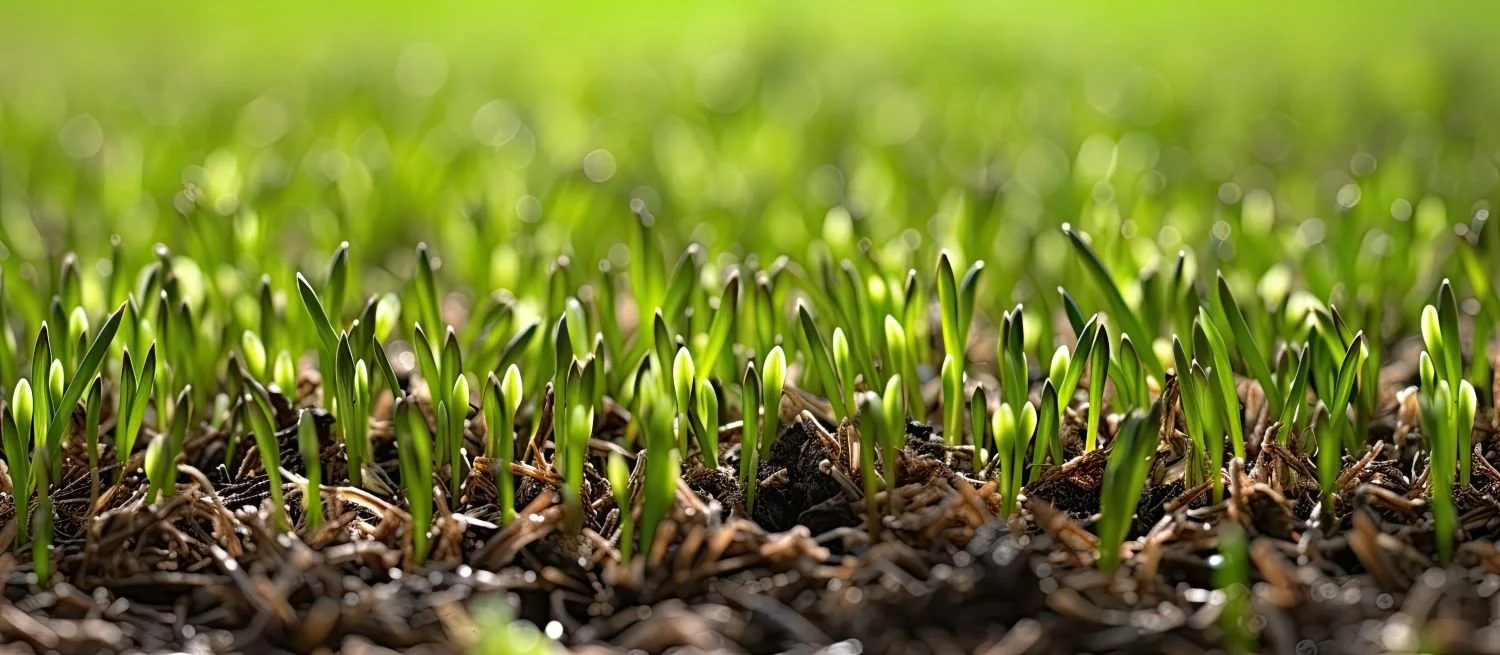
Overseeding Services by Precise Lawn Care - Northeast Ohio
Instead of trying to fight weeds with chemicals alone, a thick, healthy lawn naturally crowds them out.
Why Fall Is Better Than Spring
One of the most common questions we hear is:
"Should I aerate in the spring or fall?"
While spring aeration has its place, fall is the clear winner for cool-season grasses like Kentucky Bluegrass, Perennial Ryegrass, and Fescue, the grasses most commonly found in Northeast Ohio.
During late summer and early fall:
Soil temperatures are still warm enough for seed germination.
Cooler air temperatures reduce stress on young grass.
Weeds become less aggressive.
Rainfall is typically more consistent.
By the time winter arrives, your new grass has already begun developing a strong root system, giving it a major advantage the following spring.
Signs Your Lawn Needs Aeration
Not sure if your lawn could benefit?
Here are a few signs:
Water puddles after rain
Hard, compacted soil
Thin or patchy grass
Heavy foot traffic
Excessive thatch buildup
Grass struggles during summer
If any of these sound familiar, aeration can make a noticeable difference.
Don't Wait Too Long
Timing is everything.
The best window for aeration and overseeding in Northeast Ohio is typically late August through September.
Waiting until October often doesn't give new grass enough time to establish before the first frost, while waiting until spring means competing with crabgrass and other weeds.
Planning ahead helps ensure your lawn gets the strongest possible start.
Professional Results Make a Difference
While renting an aerator from a home improvement store is an option, professional equipment creates deeper, more consistent core holes that produce better results.
At Precise Lawn Care, we evaluate every lawn before recommending treatment. Every property is different, and factors like soil condition, shade, drainage, and grass type all influence the best approach.
Our team can also recommend the right seed blend for Northeast Ohio's climate, helping you achieve a lawn that looks fuller, healthier, and more resilient year after year.
Get Your Lawn Ready for Next Spring
If your lawn looked tired this summer, don't wait until next year to fix it.
Late summer and early fall offer the best opportunity to build a healthier lawn from the ground up. Aeration and overseeding are two of the most effective services you can invest in, and the results often become even more noticeable the following spring.
If you're ready for thicker grass, fewer weeds, and a healthier lawn, Precise Lawn Care is here to help.
Contact us today to schedule your fall aeration and overseeding service before the season fills up.
Frequently Asked Questions About Lawn Aeration & Overseeding
When is the best time to aerate and overseed a lawn in Northeast Ohio?
The best time to aerate and overseed your lawn in Northeast Ohio is late August through September. During this time, warm soil temperatures help grass seed germinate quickly while cooler air reduces stress on new growth. Fall also brings fewer weeds and more consistent rainfall, making it the ideal season for establishing a healthy lawn.
Should I aerate my lawn every year?
Most lawns benefit from core aeration once a year, especially if your property has clay soil, heavy foot traffic, pets, or areas that collect water. Annual aeration relieves soil compaction, improves root growth, and helps your lawn absorb water and nutrients more effectively.
Can you overseed without aerating?
Yes, but the results usually aren't as good. Aeration creates thousands of small holes in the soil, allowing grass seed to make better contact with the ground. This significantly improves germination rates and helps new grass establish stronger roots.
How long does it take to see results after overseeding?
Most grass seed begins to germinate within 7 to 21 days, depending on the seed variety, weather conditions, and proper watering. Your lawn will continue to fill in throughout the fall, with even more noticeable improvements the following spring.
Should I mow before or after aeration?
It's best to mow your lawn one to two days before aeration. A slightly shorter lawn allows the aerator to penetrate the soil more effectively and helps grass seed reach the ground during overseeding.
How often should I water after overseeding?
Newly seeded lawns should be watered lightly once or twice a day to keep the top layer of soil consistently moist during the first two to three weeks. Once the grass begins to grow, watering can gradually become deeper and less frequent to encourage stronger root development.
Is fall really better than spring for overseeding?
Yes. Fall provides the best growing conditions for cool-season grasses found throughout Northeast Ohio. Cooler temperatures, warm soil, reduced weed competition, and increased moisture give new grass the best opportunity to establish before winter.
Does aeration help with standing water in my yard?
Aeration can improve water absorption in lawns suffering from soil compaction, reducing minor puddling after rain. However, if your yard has persistent standing water or drainage issues, additional drainage solutions such as grading or French drains may also be needed.
What type of grass grows best in Northeast Ohio?
Most healthy lawns in Northeast Ohio contain a blend of Kentucky Bluegrass, Tall Fescue, and Perennial Ryegrass. These cool-season grasses perform well in Ohio's climate and respond especially well to fall aeration and overseeding.
Why should I hire a professional for aeration and overseeding?
Professional lawn care companies use commercial-grade core aerators that penetrate deeper into the soil than most rental equipment. They also choose the right seed blend for your property, apply seed evenly, and recommend proper watering and maintenance to maximize results. Investing in professional aeration and overseeding helps create a thicker, healthier lawn with longer-lasting results.